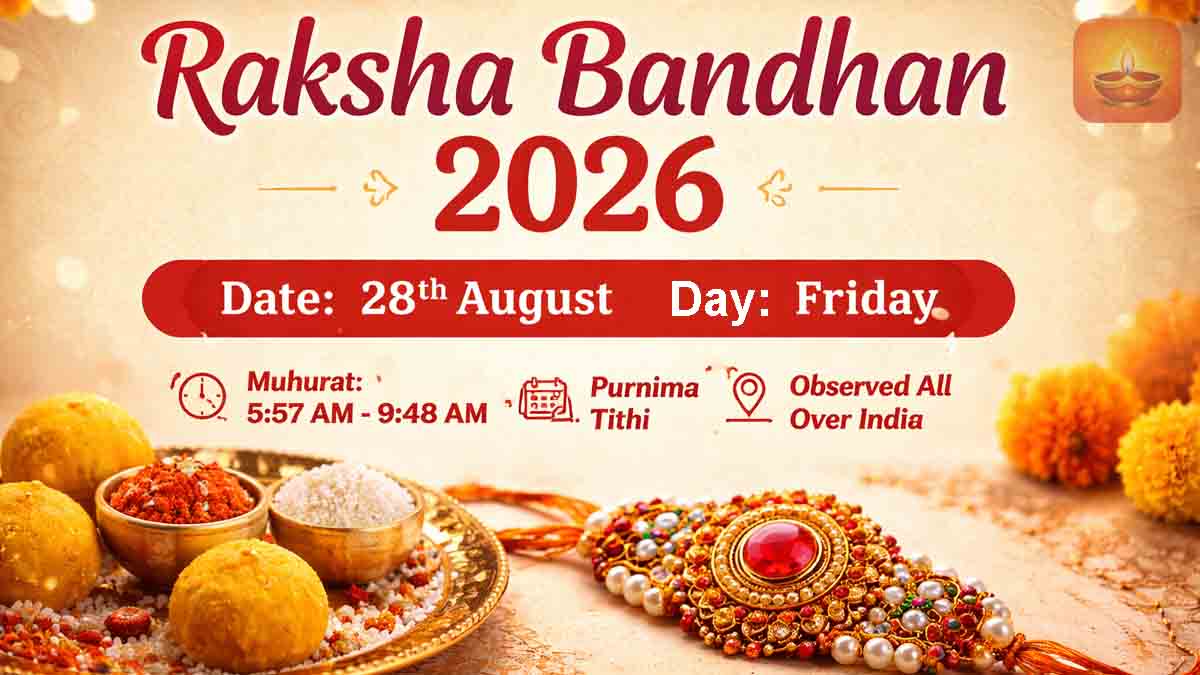
Raksha Bandhan 2026 will be celebrated on Friday, 28 August 2026 tithi in India. The auspicious Raksha Bandhan thread ceremony muhurat begins at 05:28 AM and ends at 09:48 AM according to the Panchang followed in India. This sacred Hindu festival is observed on Shravana Purnima and celebrates the eternal bond of love, protection, trust and responsibility between brothers and sisters.
In 2026, Rakshabandhan becomes even more spiritually significant because Bhadra will end before sunrise, making the morning highly suitable for tying Rakhi. The festival also coincides with important Hindu observances including Gayatri Jayanti, Narali Purnima, Sanskrit Diwas, and Shravana Purnima.
Raksha Bandhan 2026 – How Many Days Left?
Date: Friday, 28 August 2026
Days
Hours
Minutes
Seconds
If you’re wondering how many days are left for Raksha Bandhan 2026, check the live countdown below. Raksha Bandhan will be celebrated on Friday, 28 August 2026. The countdown updates automatically every second, showing the exact days, hours, minutes, and seconds remaining until this auspicious festival. Bookmark this page to stay updated as the celebration approaches.
Raksha Bandhan 2026 Date and Time
| Festival | Raksha Bandhan 2026 |
|---|---|
| Date | 28 August 2026 tithi |
| Day | Friday |
| Hindu Month | Shravana |
| Paksha | Shukla Paksha |
| Tithi | Purnima |
| Rakhi Muhurat Time | 05:28 AM to 09:48 AM |
| Muhurat Duration | 4 Hours 20 Minutes |
| Purnima Tithi Begins | 09:08 AM on 27 August 2026 |
| Purnima Tithi Ends | 09:48 AM on 28 August 2026 |
| Bhadra Status | Bhadra ends before sunrise |
| Sunrise | 05:28 AM |
| Sunset | 06:13 PM |
| Location Reference | India |
When is Raksha Bandhan in 2026 in India Calendar?
Raksha Bandhan in 2026 falls on Friday, 28 August. The festival is celebrated every year on the full moon day or Purnima Tithi of Shravana month according to the Hindu lunar calendar.
The festival is popularly known as Rakhi and is one of the most emotional and culturally important Hindu festivals celebrated across India and among Indian communities around the world.
If you’re planning your future celebrations, don’t miss our detailed Raksha Bandhan 2027 Date, Time, Muhurat & Panchang article with complete festival timings and rituals.
Raksha Bandhan 2026 Muhurat Time
The most auspicious time to tie Rakhi in 2026 is:
| Muhurat | Timing |
|---|---|
| Raksha Bandhan Thread Ceremony Time | 05:28 AM to 09:48 AM |
| Total Duration | 04 Hours 20 Minutes |
Since Bhadra gets over before sunrise in 2026, devotees can perform Rakhi rituals in the morning without waiting for additional auspicious timings.
According to Hindu traditions and scriptures, Raksha Bandhan rituals should not be performed during Bhadra because it is considered inauspicious for sacred ceremonies and important religious activities.
Rakhi Purnima 2026 Date, Shubh Muhurat & Purnima Tithi
Rakhi Purnima, also known as Rakshabandhan, will be celebrated on Friday, August 28, 2026. This auspicious festival honors the sacred bond between brothers and sisters. According to the Hindu Panchang, the most auspicious time to tie Rakhi is from 5:57 AM to 9:48 AM, as the Bhadra period will have ended before the Muhurat begins, making the entire time highly favorable for performing the Raksha Bandhan ritual.
The Purnima Tithi begins at 9:08 AM on August 27, 2026, and ends at 9:48 AM on August 28, 2026. During this sacred period, devotees also worship Lord Vishnu, Goddess Lakshmi, and the Moon, while many observe Purnima Vrat and perform charitable acts for prosperity and well-being.
ISKCON Rakhi Purnima 2026 (Balarama Purnima)
In ISKCON, Rakhi Purnima is celebrated as Balarama Purnima, marking the divine appearance day of Lord Balarama, the elder brother of Lord Krishna and the Adi-Guru (original spiritual master). In 2026, the festival falls on Friday, August 28, and is observed with great devotion in ISKCON temples across India and around the world.
The celebrations begin with Mangala Aarti, followed by special Abhishekam (ceremonial bathing) of Lord Balarama using Panchamrita, fragrant flowers, and sacred offerings. Devotees observe a fast until midday, participate in Harinama Sankirtan, listen to spiritual discourses describing Lord Balarama’s pastimes and teachings, and receive Mahaprasadam after the worship.
Rakhi Purnima also marks the conclusion of the five-day Jhulan Yatra (Swing Festival) in ISKCON. During this festival, the beautifully decorated deities of Sri Sri Radha-Krishna are placed on ornate swings, allowing devotees to gently swing the Lord while singing devotional bhajans and kirtans.
Why Bhadra is Important During Raksha Bandhan
Bhadra is considered a malefic period in Hindu Panchang calculations. Religious texts advise devotees to avoid performing auspicious ceremonies during this time.
In many years, Bhadra overlaps with the morning period of Raksha Bandhan, forcing people to wait until Bhadra ends before tying Rakhi. However, in 2026, Bhadra ends before sunrise, which is highly favorable.
This makes the early morning from sunrise itself auspicious for Rakhi celebrations.
Rakhi Purnima Tithi for Raksha Bandhan 2026
| Panchang Detail | Timing |
|---|---|
| Purnima Begins | 09:08 AM on 27 August 2026 |
| Purnima Ends | 09:48 AM on 28 August 2026 |
Raksha Bandhan is always celebrated during Shravana Purnima. The full moon day holds immense religious importance in Hinduism and is associated with spiritual purification, rituals, fasting, and worship.
Significance of Raksha Bandhan
Raksha Bandhan symbolizes protection, affection, emotional connection, and sacred responsibility. The word “Raksha” means protection, while “Bandhan” means bond or tie.
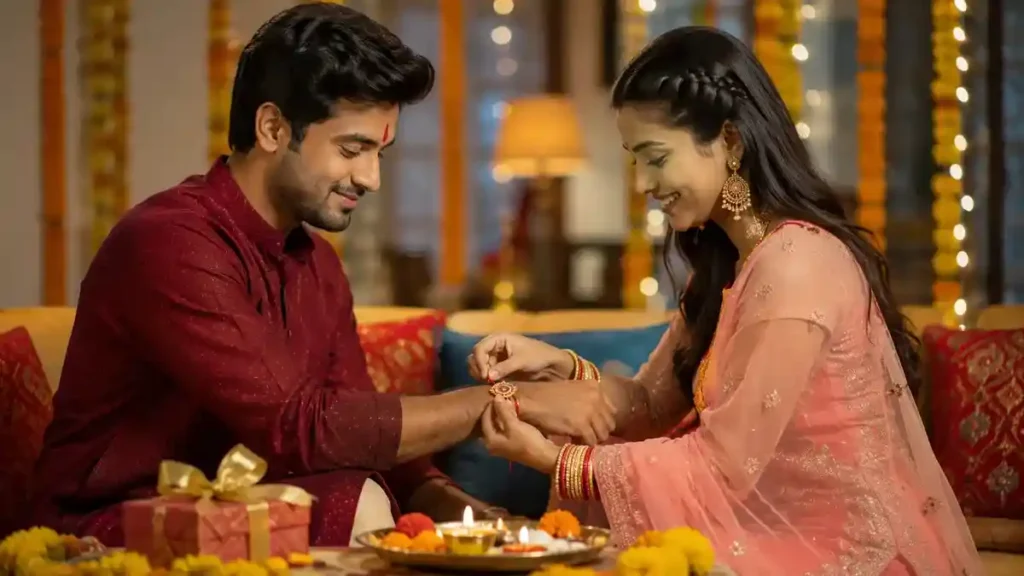
Traditionally, sisters tie a sacred thread called Rakhi around the wrist of their brothers and pray for their well-being, success, happiness and long life. In return, brothers offer gifts and promise lifelong protection and support.
Over time, Raksha Bandhan has evolved into a broader celebration of love, trust and family unity. Today, Rakhi is also tied between cousins, close friends, soldiers, mentors and even sisters to sisters in some families.
Ancient Meaning of Raksha Bandhan
In modern times, Raksha Bandhan is mostly associated with siblings. However, ancient Vedic references describe Raksha Bandhan as a powerful protective ritual performed to ward off negative energies, evil spirits, diseases, fear and bad omens.
The sacred Raksha thread was believed to invoke divine protection and spiritual strength.
According to Hindu traditions, Raksha Bandhan rituals were performed for:
- Victory in battles
- Protection from evil
- Prosperity
- Good health
- Fearlessness
- Family well-being
- Spiritual blessings
The sacred Raksha thread represented divine energy and protection.
Story of Lord Indra and Goddess Shachi
One of the most important legends associated with Raksha Bandhan comes from Hindu scriptures involving Lord Indra and his wife Shachi.
According to the legend, a fierce battle took place between the Devas and Asuras. Lord Indra, the king of the Devas, faced severe difficulties in defeating the demons.
Seeing the danger, Goddess Shachi prepared a sacred protective thread using Vedic rituals and tied it around Indra’s wrist on the day of Shravana Purnima. This divine Raksha thread protected Lord Indra and helped him achieve victory in battle.
Since then, the Raksha thread became a symbol of divine protection and spiritual power.
Raksha Bandhan Puja Vidhi
Raksha Bandhan rituals should ideally begin after taking a ritual bath during Pratahkal before sunrise.
The traditional Puja Vidhi includes several important steps.
Preparation for Raksha Bandhan Puja
Prepare a Puja Thali containing:
- Rakhi thread
- Roli or Kumkum
- Rice grains
- Diya
- Sweets
- Flowers
- Coconut
- Incense sticks
Step-by-Step Raksha Bandhan Ritual
Step 1: Purification
Begin the day with a bath and wear clean traditional clothes.
Step 2: Prepare the Puja Thali
Decorate the Puja plate with Rakhi, diya, sweets, and tilak items.
Step 3: Perform Tilak
Apply Kumkum or Roli tilak on the forehead of the brother.
Step 4: Perform Aarti
Light the diya and perform Aarti while praying for prosperity and protection.
Step 5: Tie the Rakhi
Tie the Rakhi on the right wrist while chanting prayers or Raksha Mantra.
Step 6: Offer Sweets
Feed sweets to complete the ritual.
Step 7: Exchange Blessings and Gifts
Brothers offer gifts and blessings while promising lifelong care and support.
Raksha Mantra
During the Rakhi ceremony, devotees chant the sacred Raksha Mantra.
The meaning of the mantra is:
“I tie you with the same sacred Raksha thread that was tied to the powerful king Bali. May this sacred thread protect you and remain firm throughout the year.”
The mantra symbolizes strength, protection, courage, and divine blessings.
Best Time to Tie Rakhi
According to traditional Hindu scriptures, Aparahna time is considered the best period for Raksha Bandhan rituals.
If Aparahna Muhurat is unavailable, Pradosh time is also considered suitable.
However, in 2026, the morning itself becomes highly auspicious because Bhadra ends before sunrise.
Therefore, devotees can comfortably perform Rakhi rituals during:
- 05:28 AM to 09:48 AM
Sunrise, Moonrise and Panchang Details
| Panchang Element | Timing |
|---|---|
| Sunrise | 05:28 AM |
| Sunset | 06:13 PM |
| Moonrise | 06:23 PM |
| Moonset | No Moonset |
| Nakshatra | Shatabhisha |
| Yoga | Atiganda upto 07:28 AM |
| Karana | Bava upto 09:48 AM |
| Weekday | Friday |
| Paksha | Shukla Paksha |
Auspicious Timings on Raksha Bandhan 2026
Several auspicious Muhurats occur on Tithi 28 August 2026.
| Muhurat | Time |
|---|---|
| Brahma Muhurta | 03:58 AM to 04:43 AM |
| Pratah Sandhya | 04:21 AM to 05:28 AM |
| Abhijit Muhurta | 11:25 AM to 12:16 PM |
| Vijaya Muhurta | 01:58 PM to 02:49 PM |
| Godhuli Muhurta | 06:13 PM to 06:35 PM |
| Nishita Muhurta | 11:28 PM to 12:13 AM |
Inauspicious Timings to Avoid
| Timing | Period |
|---|---|
| Rahu Kalam | 10:15 AM to 11:51 AM |
| Yamaganda | 03:02 PM to 04:37 PM |
| Gulikai Kalam | 07:04 AM to 08:39 AM |
| Dur Muhurtam | 08:01 AM to 08:52 AM |
| Varjyam | 09:45 AM to 11:24 AM |
Avoid performing major auspicious activities during these periods whenever possible.
Choghadiya for Raksha Bandhan 2026
Day Choghadiya timings are considered helpful for selecting favorable moments during the day.
Day Choghadiya
| Choghadiya | Time |
|---|---|
| Chara | 05:28 AM to 07:04 AM |
| Labha | 07:04 AM to 08:39 AM |
| Amrita | 08:39 AM to 10:15 AM |
| Kala | 10:15 AM to 11:51 AM |
| Shubha | 11:51 AM to 01:26 PM |
| Roga | 01:26 PM to 03:02 PM |
| Udvega | 03:02 PM to 04:37 PM |
| Chara | 04:37 PM to 06:13 PM |
Among these, Labha, Amrita, and Shubha are considered favorable.
Festivals Celebrated Along with Raksha Bandhan 2026
Several important Hindu observances fall on the same day.
| Festival | Date |
|---|---|
| Raksha Bandhan | 28 August 2026 |
| Rakhi | 28 August 2026 |
| Gayatri Jayanti | 28 August 2026 |
| Gayatri Japam | 28 August 2026 |
| Narali Purnima | 28 August 2026 |
| Sanskrit Diwas | 28 August 2026 |
| Shravana Purnima | 28 August 2026 |
| Varalakshmi Vrat | 28 August 2026 |
This makes the day spiritually important for devotees across different traditions and regions of India.
Raksha Bandhan Celebrations in Different Indian States
Raksha Bandhan is celebrated across India with different regional traditions, customs, and rituals. Although the festival mainly symbolizes the sacred bond between brothers and sisters, every state adds its own cultural identity to the celebration.
Rakha Bandhan 2026 in Uttar Pradesh
In Uttar Pradesh, Raksha Bandhan is celebrated with traditional family rituals, temple visits, and festive meals. Sisters apply tilak, tie Rakhi on brothers’ wrists, and pray for their long life and success. Cities like Varanasi, Ayodhya, and Prayagraj witness special religious activities during Shravana Purnima.
Rakha Bandhan 2026 in Bihar
Raksha Bandhan in Bihar is deeply connected with family traditions and emotional bonding. Families gather for Rakhi ceremonies, exchange gifts, and prepare traditional sweets such as Thekua, Malpua, and Kheer. In many villages, Brahmins also tie sacred Raksha Sutra for blessings and protection.
Rakhi in Jharkhand
In Jharkhand, Raksha Bandhan is celebrated with a blend of Hindu customs and tribal traditions. Families perform Rakhi rituals while some tribal communities also pray for nature, crops, and community well-being during the festival.
Rakshabandhan in Rajasthan
Rajasthan celebrates Raksha Bandhan with royal traditions, colorful attire, and elaborate family gatherings. Women decorate Puja Thalis beautifully and perform traditional Rakhi rituals with devotion and cultural pride.
Rakshabandhan in Punjab and Haryana
In Punjab and Haryana, Raksha Bandhan is celebrated with sweets, traditional Punjabi food, and family reunions. Sisters tie Rakhi and brothers offer gifts while families enjoy festive meals together.
Rakshabandhan in Maharashtra
In Maharashtra, Raksha Bandhan coincides with Narali Purnima. Fishermen offer coconuts to the sea deity for protection and prosperity, while families celebrate Rakhi with sweets and traditional Maharashtrian dishes.
Raksha Bandhan in Gujarat
In Gujarat, the festival is linked with Pavitropana, a sacred ritual dedicated to Lord Shiva. Families celebrate Raksha Bandhan with devotion, temple visits, sweets, and festive gatherings.
Raksha Bandhan in West Bengal and Odisha
In West Bengal and Odisha, Raksha Bandhan symbolizes social harmony and unity. Along with sibling rituals, community Rakhi celebrations are also organized in schools and cultural groups.
Raksha Bandhan in South India
In Tamil Nadu, Karnataka, Andhra Pradesh, Telangana, and Kerala, Raksha Bandhan coincides with Avani Avittam or Upakarma. Brahmins change sacred threads and perform Vedic rituals, while modern families also celebrate Rakhi traditions.
Raksha Bandhan Celebrations in Different Countries
Raksha Bandhan is celebrated globally by Indian communities living abroad. The festival has become an international symbol of love, protection, family values and Indian culture.
Raksha Bandhan 2026 in United States (USA)
Raksha Bandhan is widely celebrated in the USA by Indian families living in New York, California, Texas, and New Jersey. Families organize Rakhi ceremonies, temple visits, and online celebrations through video calls.
Raksha Bandhan in United Kingdom (UK)
Indian communities in London, Leicester, Birmingham, and Manchester celebrate Raksha Bandhan with traditional rituals, sweets, cultural programs, and family gatherings.
Raksha Bandhan in Canada
Raksha Bandhan in Canada is celebrated with temple events, cultural festivals, and traditional family meals. Cities such as Toronto, Vancouver, and Brampton host vibrant Indian celebrations.
Raksha Bandhan in Australia
Indian families in Sydney, Melbourne, and Brisbane celebrate Raksha Bandhan with home gatherings, online Rakhi deliveries, and community cultural programs.
Raksha Bandhan in Nepal
In Nepal, Raksha Bandhan is celebrated as Janai Purnima. Priests tie sacred threads while sisters also tie Rakhi to brothers as a symbol of protection and blessings.
Raksha Bandhan in United Arab Emirates (UAE)
Indian expatriates in Dubai, Abu Dhabi, and Sharjah celebrate Raksha Bandhan through family gatherings, temple visits, online gifting, and virtual celebrations with relatives in India.
Raksha Bandhan in Singapore
Raksha Bandhan is celebrated enthusiastically by Indian communities in Singapore through temple events, family rituals, sweets, and cultural activities.
Raksha Bandhan in Mauritius and Fiji
Countries such as Mauritius and Fiji, with large Indian-origin populations, celebrate Raksha Bandhan with traditional Hindu rituals, cultural programs, and family feasts.
Raksha Bandhan in South Africa
Indian communities in Durban and Johannesburg celebrate Raksha Bandhan with devotion, festive meals, Rakhi ceremonies, and temple gatherings.
Global Importance of Raksha Bandhan
Whether celebrated in India, the United States, the United Kingdom, Canada, Australia, Nepal, or other countries, Raksha Bandhan continues to strengthen family relationships and preserve Indian cultural traditions worldwide.
The sacred Rakhi thread remains a timeless symbol of:
- love,
- protection,
- trust,
- emotional bonding, and lifelong family connection.
Modern Celebration of Rakhi
Modern celebrations have expanded beyond traditional family structures.
Today people celebrate Raksha Bandhan with:
- Digital gifts
- Online Rakhi delivery
- Virtual family gatherings
- Eco-friendly Rakhis
- Handmade Rakhi crafts
- Personalized gifts
Despite changing times, the emotional essence of the festival remains unchanged.
Spiritual Importance of Raksha Sutra
The sacred thread tied during Raksha Bandhan is called Raksha Sutra.
In Hinduism, the Raksha Sutra symbolizes:
- Divine protection
- Purity
- Blessings
- Faith
- Emotional connection
- Spiritual strength
The thread represents a sacred promise that transcends material gifts and focuses on emotional and spiritual bonds.
What Should Be Avoided During Raksha Bandhan?
According to traditional beliefs:
- Avoid tying Rakhi during Bhadra
- Avoid negative speech and arguments
- Avoid inauspicious timings if possible
- Maintain purity during rituals
- Follow Panchang-based Muhurat
Performing rituals during auspicious timings is believed to bring prosperity and blessings.
Raksha Bandhan 2026 and Lunar Eclipse
An important astronomical event associated with 28 August 2026 is a partial lunar eclipse (Chandra Grahan Anshika).
Lunar eclipses hold significance in Hindu astrology and Panchang calculations. Devotees often observe specific spiritual practices and precautions during eclipse periods.
Importance of Shravana Purnima
Shravana Purnima is considered one of the holiest full moon days in Hinduism.
The day is associated with:
- Vedic rituals
- Sacred thread ceremonies
- Worship of deities
- Spiritual purification
- Charity and donations
- Ancestor offerings
Many important Hindu festivals are celebrated on this day.
Raksha Bandhan 2026 to 2030 Dates
| Year | Date | Day |
|---|---|---|
| 2026 | 28 August | Friday |
| 2027 | 17 August | Tuesday |
| 2028 | 5 August | Saturday |
| 2029 | 24 August | Friday |
| 2030 | 13 August | Tuesday |
Future date tables help devotees plan family gatherings, travel, and festival celebrations in advance.
Why Raksha Bandhan Remains One of India’s Most Loved Festivals
Raksha Bandhan is not only a religious festival but also an emotional celebration deeply rooted in Indian culture and family values.
The festival strengthens:
- Family relationships
- Emotional trust
- Respect between siblings
- Spiritual traditions
- Cultural identity
In an increasingly busy world, Raksha Bandhan continues to remind people about the importance of relationships, responsibility, gratitude, and unconditional love.
Editorial Note: This article has been carefully researched using the Hindu Panchang, traditional Vedic calendar calculations, and publicly available festival information. Muhurat and Tithi timings are provided for informational purposes and may vary slightly depending on your city and local Panchang. Please consult your nearest temple, priest, or regional Panchang for location-specific timings.
For more helpful content and updates, follow us on Instagram and Quora.
Frequently Asked Questions
Raksha Bandhan will be celebrated on Friday, 28 August 2026.
The Rakhi tying Muhurat is from 05:28 AM to 09:48 AM.
No. Bhadra gets over before sunrise, making the morning auspicious.
Purnima begins at 09:08 AM on 27 August 2026 and ends at 09:48 AM on 28 August 2026.
Raksha Bandhan celebrates the sacred bond of protection, love, and trust between brothers and sisters.
Raksha Bandhan is celebrated during Shravana month on Purnima Tithi.
Avoid tying Rakhi during Bhadra and follow auspicious Muhurat timings for rituals.
Important observances include Raksha Bandhan, Gayatri Jayanti, Narali Purnima, Sanskrit Diwas, and Shravana Purnima.
